Rideshare mileage and vehicle wear are inseparable. A car used for passenger work can accumulate far more starts, stops, highway miles and operating hours than a typical personal vehicle, so maintenance and downtime need to be part of the rental economics from the beginning.
Rideshare mileage and vehicle wear start with tires
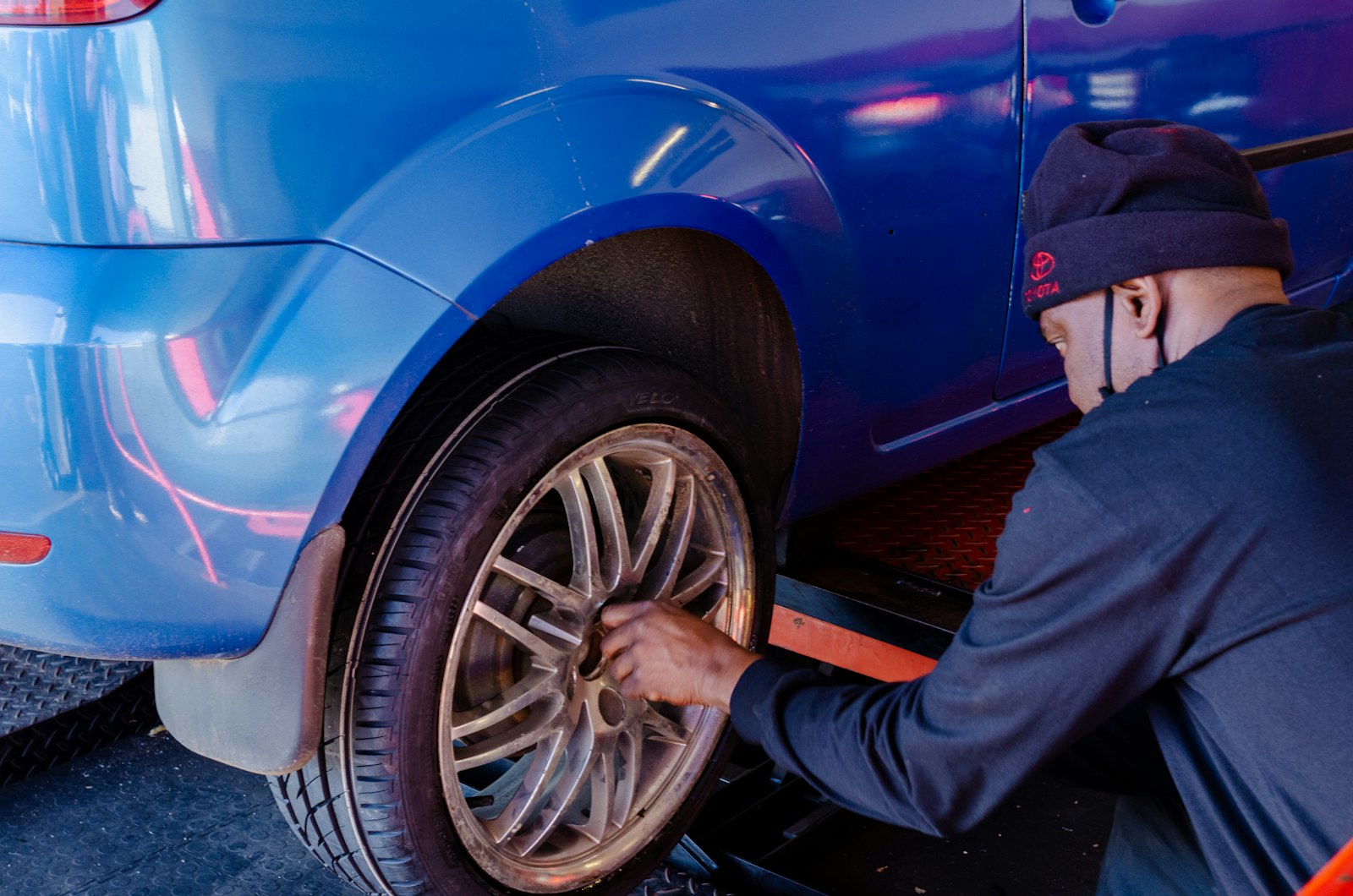
More miles mean more tread wear, puncture exposure and opportunities for alignment problems. Tire pressure, rotation, tread depth and uneven wear should be watched consistently. A small alignment issue can become an expensive set of tires when ignored for thousands of working miles.
Brakes see repeated use
Stop-and-go traffic and repeated passenger pickups increase brake use. Pad life depends on the vehicle, parts, driving environment and driving style, so inspections matter more than guessing from mileage alone.
Fluids and scheduled maintenance arrive faster
When a car covers many miles each week, oil changes and other service intervals come quickly. Fleet scheduling should use mileage, time, manufacturer guidance, severity of use and actual condition rather than assuming a personal-use calendar will be enough.
Depreciation is an economic cost
For an owner, high mileage reduces future resale value even when the vehicle remains mechanically strong. For a rental operator, that depreciation has to be reflected in acquisition discipline and weekly rental math. A car that earns revenue but loses value faster than expected can still be a weak investment.
Downtime can cost more than the repair
If a working driver loses several days of earning because a car is down, the income impact may exceed the price of the failed part. That is why preventive inspections, warning-light reporting and planned service appointments matter to both renter and operator.
Mileage is not automatically bad
A high-mileage gig car can still be productive when maintenance, condition and economics remain controlled. The danger is unmanaged mileage combined with delayed service.
What renters should watch
- Tire pressure and unusual wear
- Brake noise, vibration or pedal changes
- Warning lights
- Fluid leaks or overheating signs
- Steering or alignment changes
- Battery or starting problems
- New noises or drivability changes
Bottom line: rideshare mileage and vehicle wear should be expected and managed, not treated as a surprise. A strong rental system plans for maintenance before the vehicle forces an unscheduled stop.
Read the Avren resources or review how maintenance fits the rental process.