Gig car rental maintenance matters because a working driver depends on the vehicle for income. A tire problem, weak battery, brake issue, alignment problem, warning light, or neglected fluid service can turn into lost work quickly when the car is driven every day.
Avren Motors is building its fleet process around recurring condition checks, preventive maintenance, and practical mainstream vehicles. The objective is not to pretend that a used rental car will never need repair. The objective is to find issues early, document them, and keep the vehicle available as consistently as possible.
Why gig vehicles need a stronger maintenance routine
Delivery, courier, rideshare, and multi-app driving can involve frequent starts, stop-and-go traffic, curb contact, potholes, highway mileage, long idle periods, and repeated loading. That is a harder duty cycle than light personal commuting.
Maintenance therefore needs to consider mileage, time, manufacturer guidance, actual condition, and the severity of use rather than waiting for a problem to become obvious.
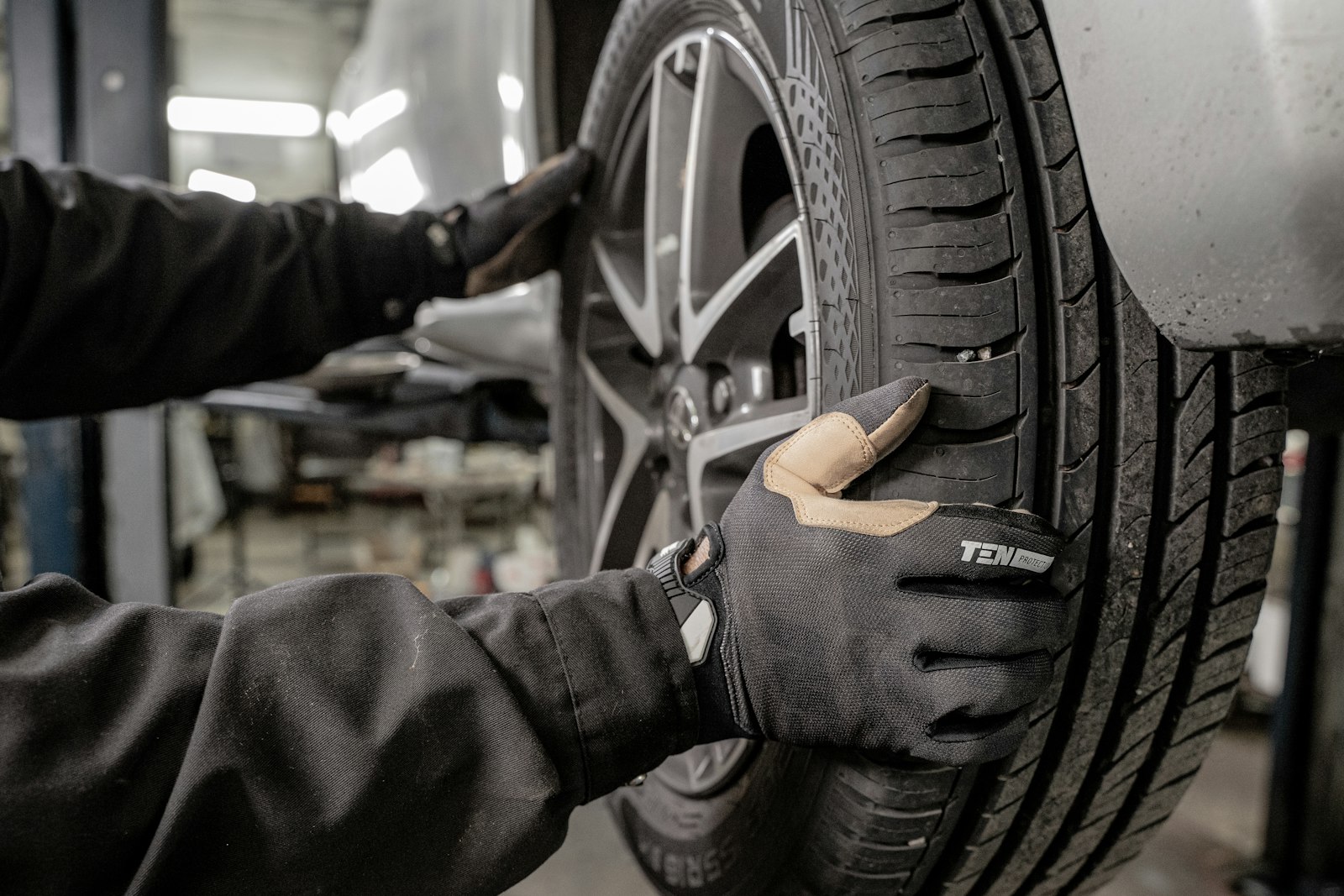
Tires are one of the first things to watch
Tires affect safety, fuel economy, braking, ride quality, and alignment. A working driver should pay attention to pressure, tread depth, uneven wear, vibration, sidewall damage, and slow leaks.
Uneven wear can be a clue that alignment or suspension needs attention. A steering-wheel vibration may point to wheel balance, tire damage, bent wheels, or other issues. Tire problems should be reported early rather than driven until the vehicle becomes unsafe or unusable.
Alignment can affect more than steering feel
Bad alignment can wear tires rapidly and increase rolling resistance. A car that pulls, has an off-center steering wheel, or shows unusual tire wear deserves inspection. For a high-mileage gig vehicle, protecting the tire investment matters because tires are a recurring operating cost.
Brakes need condition-based attention
Stop-and-go driving can accelerate brake wear. Drivers should report grinding, scraping, pulsation, pulling, unusual pedal feel, burning smells, or a wheel that feels excessively hot. A dragging brake can hurt MPG and create additional heat and wear.
Brake service should be based on inspection and condition, not only an arbitrary calendar date.
Oil and fluids protect uptime
Engine oil, coolant, brake fluid, transmission fluid where service is appropriate, washer fluid, and other fluids should be checked according to the vehicle’s maintenance requirements and condition. Fluid leaks, overheating, low-oil warnings, or sudden changes should never be ignored.
Gig mileage can add up quickly, so a service interval that would take months for a low-mileage driver may arrive much sooner for someone using the car to earn.
Warning lights should be reported immediately
A check-engine light, ABS light, tire-pressure warning, battery light, temperature warning, or other dashboard alert is information. Some warnings may be minor, while others require the vehicle to stop operating. The renter should communicate the warning quickly so the correct next step can be determined.
Clearing a light without diagnosing the cause is not a maintenance strategy.
Battery and charging-system problems can create sudden downtime
Frequent starts, accessory use, hot Georgia weather, and an aging battery can combine to create no-start problems. Slow cranking, flickering lights, charging warnings, or repeated jump starts should be addressed before the driver is stranded during a work shift.
Recurring inspections protect both sides
A recurring inspection gives the operator a chance to review tires, body condition, glass, lights, mileage, warning indicators, fluids, and obvious mechanical concerns. It also gives the renter a structured opportunity to report changes that may not feel urgent during a busy week.
Avren’s rental model uses recurring condition documentation as part of a professional long-term relationship. Learn more on the How It Works page.
What drivers can do between inspections
- Check tire pressure regularly
- Pay attention to new vibrations or noises
- Watch dashboard warnings
- Report leaks or overheating
- Keep the interior and exterior reasonably clean
- Avoid delaying scheduled service
- Communicate damage or mechanical changes promptly
These habits do not replace professional maintenance, but they help catch problems before they grow.
Maintenance and fuel economy are connected
Low tire pressure, poor alignment, dragging brakes, worn spark plugs in applicable service intervals, dirty filters, mechanical faults, and other condition issues can affect fuel economy. A sudden MPG change is not automatically proof of a major failure, but it can be useful diagnostic information.
Why practical fleet vehicles help
Mainstream compact and midsize sedans are easier to service because parts, tires, brakes, and repair knowledge are widely available. That is one reason Avren favors Chevrolet, Hyundai, Kia, and Nissan models that fit the acquisition and reliability buy-box instead of turning the rental fleet into a collection of unusual luxury vehicles.
See the Avren fleet for the current and planned vehicle mix.
Frequently asked questions about gig car rental maintenance
Who should report a maintenance issue?
The renter should report changes as soon as they are noticed. Early communication can prevent a small issue from becoming a breakdown.
Should a renter wait for the next scheduled inspection?
No if the issue affects safety, drivability, warning lights, overheating, tires, brakes, or another urgent condition. Report it promptly.
Does preventive maintenance guarantee no breakdowns?
No. Used vehicles can still experience unexpected failures. Preventive maintenance reduces avoidable risk and improves the chance of catching developing problems early.
Optional driver gear resource
Avren renters should report vehicle issues rather than self-authorizing repairs. For personal driver accessories or basic non-repair car-care items, you can compare popular items in Amazon Best Sellers in Automotive. Check fit, instructions and the rental agreement before using anything on a rental vehicle.
Affiliate disclosure: Avren Motors may earn a commission from qualifying purchases at no extra cost to you.
Bottom line: gig car rental maintenance is an uptime system. Tires, brakes, alignment, fluids, warning lights, inspections, and communication all work together to keep a driver safely earning.